Buying a diamond isn’t just a purchase — it’s an experience that marks a special milestone. Whether you’re selecting an engagement ring, a timeless pendant, or a statement piece, understanding what makes a diamond truly exceptional is essential. With so many options, prices, and terminologies like cut, color, clarity, and carat weight, it’s easy to feel overwhelmed.
That’s where this Diamond Buying Guide comes in. Designed for anyone seeking clarity in their diamond-buying journey, this guide breaks down every factor that affects beauty, brilliance, and value. From learning the 4Cs to comparing lab-grown vs. natural diamonds, we’ll walk you through everything you need to make a confident, informed decision.
Whether you’re shopping online or visiting a luxury jeweler in Manhattan, New York, understanding the basics ensures your diamond reflects both your style and values. Let’s dive into the brilliance behind one of nature’s — and science’s — most beautiful creations.
The 4Cs of Diamonds
1. Cut
The cut determines how brilliantly a diamond sparkles. A well-cut diamond reflects light beautifully, while a poor cut can make even a flawless stone appear dull. Ideal and Excellent cuts offer the most brilliance, especially for engagement rings.
2. Color
Diamond color ranges from D (colorless) to Z (light yellow). The closer to colorless, the rarer and more valuable the diamond. However, slight color tones can be a cost-effective choice for warm metal settings like yellow or rose gold.
3. Clarity
Clarity refers to natural imperfections, known as inclusions. Graded from Flawless (FL) to Included (I3), most diamonds fall in the VS (Very Slightly Included) range — offering excellent balance between beauty and price.
4. Carat Weight
Carat measures weight, not size. Two diamonds of the same carat can look different depending on the cut. For example, a 1-carat round diamond might appear smaller than a 1-carat oval or marquise cut. Prioritize cut and proportions for the best visual impact.
Diamond Shapes & How They Affect Look and Price
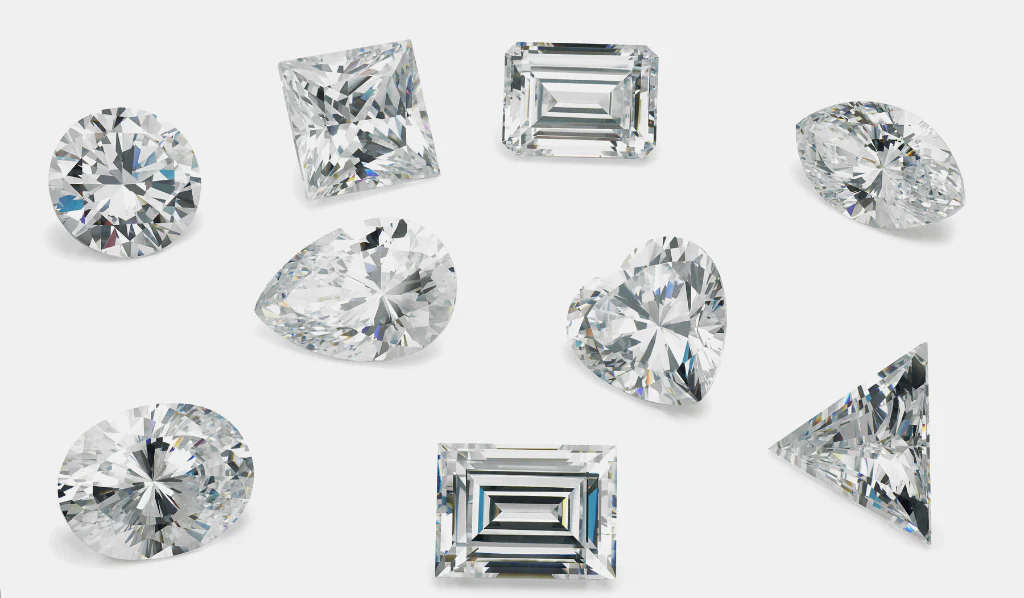
Diamond shape is about personality. The classic round brilliant delivers unmatched sparkle, while princess and cushion cuts add modern flair. Oval and pear shapes elongate fingers beautifully and often appear larger than their carat weight suggests.
Fancy shapes like emerald, marquise, and asscher cuts bring vintage sophistication. While round diamonds are the most expensive per carat, choosing an alternative shape can save up to 25% without compromising on beauty.
When selecting shape, consider both style and setting. For example, halo or solitaire settings enhance sparkle, while bezel or three-stone designs emphasize elegance.
Lab-Grown vs Natural Diamonds
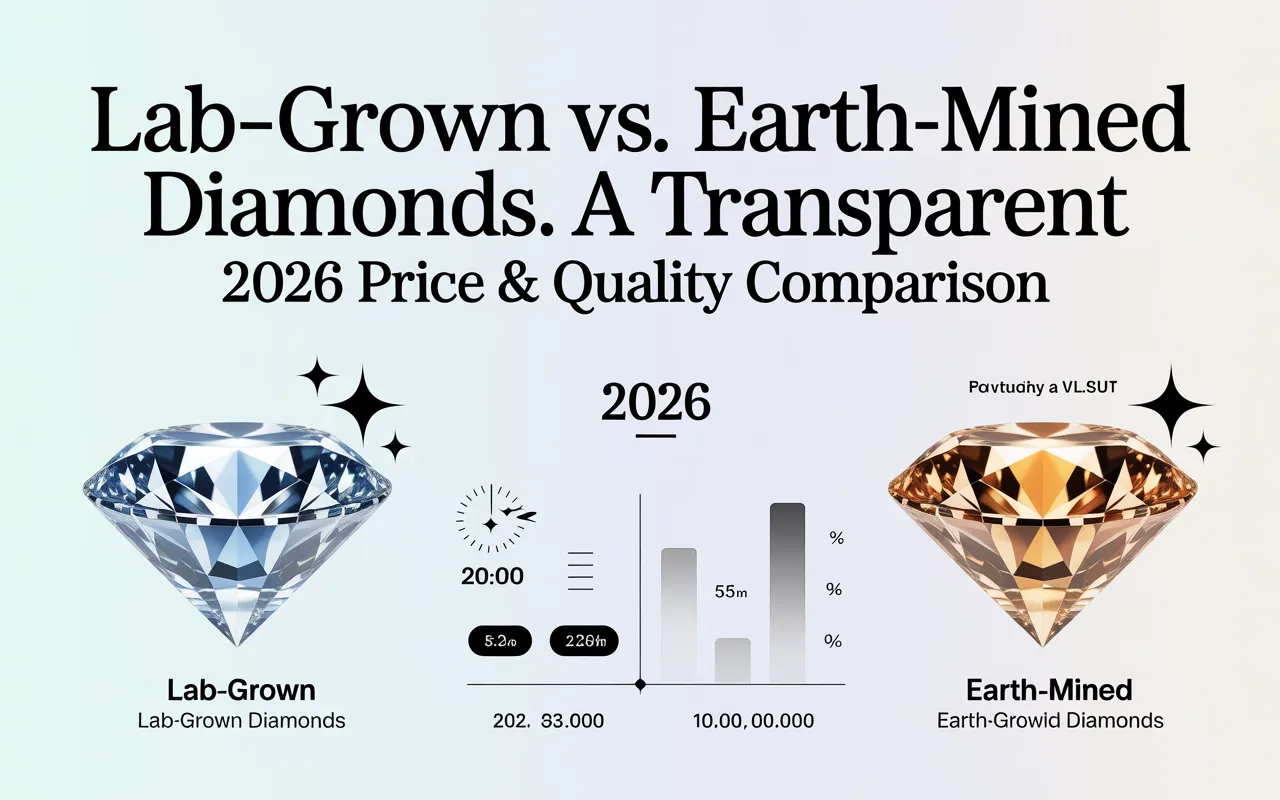
The debate between lab-grown and natural diamonds continues to evolve. Lab-grown diamonds are real diamonds — optically, chemically, and physically identical to mined ones — but created in a controlled environment using advanced technology.
Advantages of Lab-Grown Diamonds:
More affordable (typically 30–40% less expensive)
Ethically and sustainably produced
Available in a wide range of sizes and shapes
Advantages of Natural Diamonds:
Formed over billions of years — a unique natural rarity
Strong resale and heirloom value
Traditional symbolism of eternal love
Ultimately, your choice depends on personal values. If sustainability and budget matter most, lab-grown is ideal. If heritage and natural rarity hold meaning, natural diamonds are timeless treasures.
Budgeting & Common Price Ranges
A smart budget starts with understanding your priorities. On average, a 1-carat natural diamond engagement ring ranges from $3,500 to $8,000, depending on cut, color, and clarity. The same carat in a lab-grown diamond may cost $1,000 to $2,500.
To maximize value:
Focus on cut quality over carat size.
Consider near-colorless grades (G–H) that appear colorless to the eye.
Choose VS2–SI1 clarity for a flawless look without overpaying.
How to Choose a Jeweler + Red Flags
Selecting the right jeweler is as important as the diamond itself. Look for:
Certification: GIA or IGI certification guarantees authenticity.
Transparency: Clear pricing and detailed grading reports.
Reputation: Read reviews and verify store credentials.
Customization Options: Jewelers who offer bespoke designs show expertise and care.
🚫 Red Flags to Avoid:
No certification or vague descriptions
High-pressure sales tactics
Deep discounts without explanation
If you’re shopping in New York, California, Texas, or Florida, consider booking a custom consultation with Human Design Studios for expert guidance and ethically sourced fine jewelry.
FAQs — Diamond Buying Guide (2025 Edition)
1. What are the 4Cs of diamonds? The 4Cs — Cut, Color, Clarity, and Carat — are the global standard for assessing diamond quality.
2. Are lab-grown diamonds real diamonds? Yes. Lab-grown diamonds are physically and chemically identical to natural ones.
3. What is the best diamond shape for engagement rings? Round brilliant cuts are the most popular for their timeless sparkle, but ovals and cushions offer modern beauty.
4. How do I know if a diamond is certified? Check for a GIA or IGI grading report and laser inscription on the diamond’s girdle.
5. Can I buy a quality diamond on a budget? Absolutely — focus on excellent cut, near-colorless color, and slight inclusions (VS2–SI1).
6. Is it safe to buy diamonds online? Yes, if you shop from reputable jewelers with transparent certification and return policies.